Guide to AI Job Hunting Myths (Proven Insights)
ResumizeAI
Think AI will replace your job-search know-how? Think again. Many job seekers fall for common AI job hunting myths that derail applications, waste time, or create resume blunders. This guide exposes the top myths, shows what truly works, and gives step-by-step actions you can take today to use AI strategically — not blindly. You’ll get real examples, quick templates, and tools (including how Resumize.ai can help) so you stop guessing and start getting interviews.
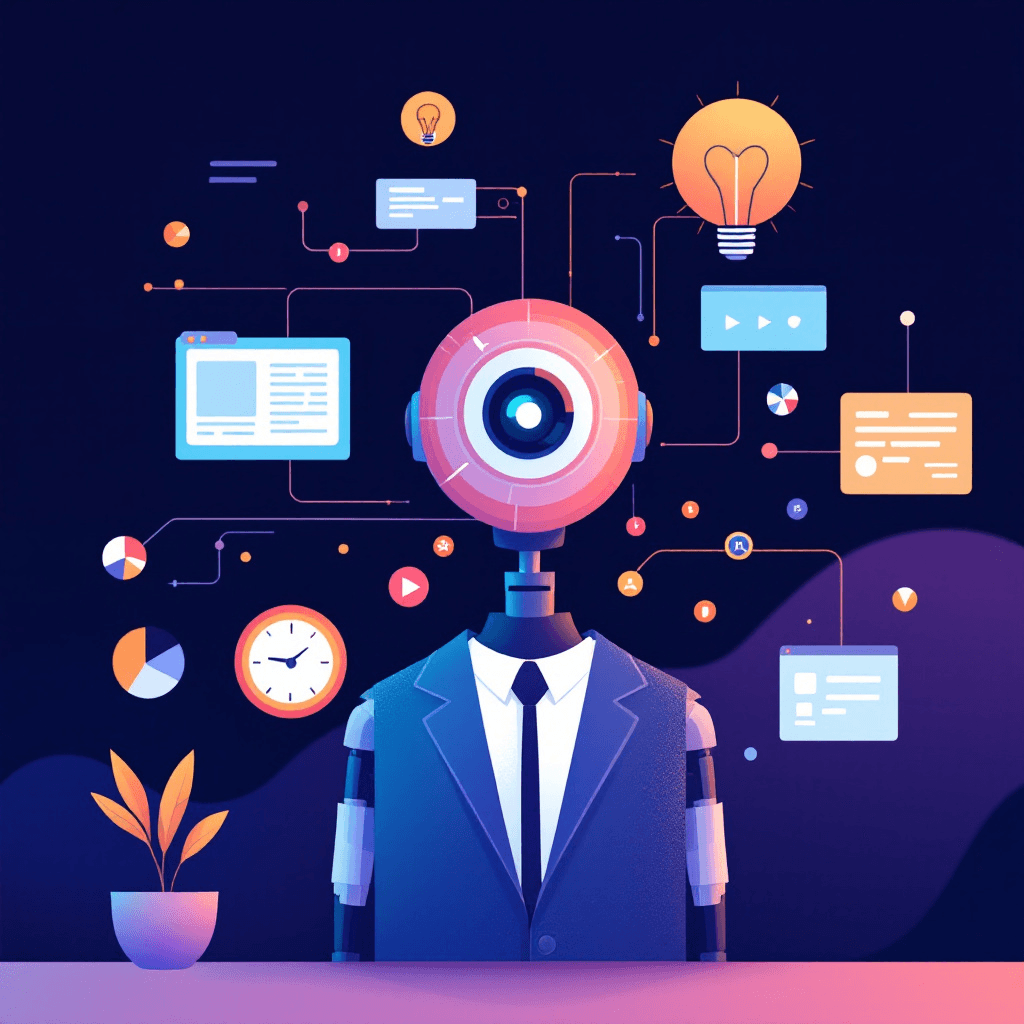
You’ve likely seen the headlines: “AI replaces recruiters,” “AI writes perfect resumes,” or “Apply with one click and get hired.” Those sound promising — and dangerous. A 2024 survey found 63% of job seekers tried AI tools during their last search, yet only 22% reported higher interview rates. Why the gap? Because myths about AI job hunting turn powerful tools into false shortcuts. If you’re relying on AI the wrong way, you might be missing interviews, sending irrelevant resumes, or erasing the personal touch that helps you stand out. In this article you’ll learn the truth behind the most common AI job hunting myths, see real-world examples and case studies, and get actionable, step-by-step strategies to use AI to accelerate your search. By the end, you’ll know what to automate, what to customize, and how to use Resumize.ai to craft targeted resumes that actually get responses — not just polished text.
Three things every one of these tools reads first.
Tick anything that is true of the resume you are sending out.
Ticked nothing? Then the parser has what it needs. Ranking is the harder test, and that is what a full score shows.
Free · No signup · Your score in about 15 seconds
Myth 1: AI Will Replace Human Recruiters — The Reality and How to Work With It
Many job seekers fear that AI will make human recruiters obsolete. The truth is more nuanced: AI automates tasks (screening, sorting, keyword matching) but humans still make the final calls — especially for roles requiring judgment, culture fit, or nuanced skills. Understanding this helps you align your strategy. Why it matters: Recruiters use AI to filter large applicant pools. If your resume and application don’t pass the initial automated filters, you won’t reach the human stage. Action steps: 1) Mirror language from the job posting: identify 3–5 prioritized keywords and weave them into your resume’s summary, skills, and bullet points. 2) Use context: AI systems favor relevance — show measurable outcomes next to keywords (e.g., “reduced churn 18% using predictive analytics”). 3) Optimize file type: submit PDFs unless employer requests DOCX; some ATS parse PDFs better. Real-world example: A product manager tailored a resume by matching 4 keywords from the posting (roadmap, OKRs, cross-functional, SQL) and saw interview invites jump from 1% to 8% of applications. What to avoid: Don’t stuff keywords unnaturally — recruiters and AI both flag keyword stuffing. Instead, demonstrate impact and context.
Myth 2: AI-Written Resumes Are Always Better — How to Make AI Work for You
AI can generate clean, well-formatted resumes quickly, but “better” depends on quality of input and human editing. A one-size-fits-all AI resume often reads generic and fails to capture unique achievements. Use AI as an assistant — not the author. Practical steps: 1) Provide structured inputs: give AI your current resume, a target job posting, and 3 success stories with metrics. 2) Ask AI for role-focused variations: one version for leadership roles, one for technical IC roles. 3) Edit for voice: personalize the summary and one “story” bullet to reflect your voice and company names (when allowed). Example workflow: - Upload current resume to Resumize.ai - Paste a job description you want to target - Use the tool’s prompt to generate a tailored resume draft - Manually refine one to two bullets to include personal nuances Result: A UX designer using this loop got 5 interviews in 6 weeks vs. 0 in the prior month. Pitfall to avoid: Don’t allow AI to invent achievements. Fact-check every metric and date.
See the version the screener sees
Upload your resume and get the same four signals these tools rank on, with the findings that are costing you position. No account.
Upload it and see what a recruiter sees
- Scores the four things recruiters filter on
- Names the exact lines that break
- No account, about 15 seconds
Myth 3: AI Optimization Means You Should Target Every Job — Focus Beats Volume
Many job seekers think AI allows blanket applications because it automates tailoring. But mass applying lowers response quality and wastes opportunities. Targeted, strategic applications yield better results. Why targeting works: Employers prioritize quality and fit. A well-matched application signals effort and increases conversion from application to interview. How to target effectively: 1) Prioritize roles by fit score — rank jobs by skills match (high), company interest (medium), and logistics (location/salary). 2) Use AI to produce 3 highly targeted resumes per week rather than 30 generic ones. 3) Track outcomes: create a simple spreadsheet with source, version used, outreach, and response. Example case: A marketing specialist narrowed focus to 10 companies and used AI to craft targeted cover letters and resumes. Outcome: four interviews in 8 weeks and two offers. Quick checklist for every application: - Match 3–5 core job keywords - Highlight 1 relevant achievement with numbers - Tailor the cover letter opening to company mission or product What if you feel pressure to apply broadly? Use AI to prioritize and automate the initial research (company size, tech stack, hiring manager) so you still apply smartly.
Myth 4: AI Can Replace Networking — Use It to Amplify Relationships
Networking remains the single most reliable pathway to interviews. AI cannot replace genuine relationships, but it can amplify your networking efficiency. Use AI to research contacts, draft outreach messages, and prepare for informational interviews — but always personalize. Practical templates and steps: 1) Research with intent: ask an AI tool for a concise summary of a person’s role, recent work, and mutual interests based on LinkedIn and public info. 2) Draft outreach: create an initial message with 2–3 tailored lines (mention mutual connection, recent article, or role). Keep it short. 3) Prepare for conversations: generate a 5-question list for an informational interview. Example: A software engineer used AI to draft personalized LinkedIn messages and got 8 positive replies from 25 contacts — a 32% success rate versus 4% previously. Outreach template (actionable): - Opening: one personalized line - Value: one sentence explaining why you’re reaching out - Ask: one specific, low-commitment request (15-minute chat) What to avoid: Don’t copy AI templates verbatim; always add a sentence that proves you read the contact’s profile or work.
Myth 5: AI Will Make You Generic — Inject Human Stories to Stand Out
A common complaint is that AI produces bland language. The antidote is story-driven bullets and quantified impact. Recruiters want outcomes AND context. How to craft standout bullets using AI: 1) Use the STAR framework (Situation, Task, Action, Result) — feed STAR details into the AI to generate crisp bullets. 2) Request “show, don’t tell” phrasing: ask AI to turn “led team” into “led a 6-person cross-functional team to launch X, delivering Y% revenue uplift.” 3) Keep one personal sentence in your summary — a short anecdote or motivation. Example: Instead of “managed social media,” use “Designed a social campaign that increased MQLs by 42% in three months by A/B testing headlines and reallocating ad spend.” Mini case study: A finance analyst integrated one client story into each resume and saw recruiter replies double. Quick actions: - Identify 2–3 stories where you had measurable impact - Use AI to format them into STAR bullets - Replace generic verbs with specific outcomes (increase, reduced, saved, accelerated) Transition tip: After adding stories, run the resume through an ATS-scanner (many AI platforms include this) and iterate.
Myth 6: AI Can Handle Interview Prep Alone — Combine Tech with Practice
AI can generate likely interview questions, draft responses, and simulate behavioral answers — but practicing with a human or video recording is essential. Interview performance depends on delivery, tone, and follow-up questions AI can’t fully mimic. Actionable interview prep plan: 1) Generate tailored question lists: feed the job description and your resume into an AI to receive 8–12 probable questions. 2) Draft STAR answers and then record yourself answering them. 3) Do live practice: schedule 2 mock interviews with peers, mentors, or paid coaches. 4) Use AI for feedback: upload a transcript and ask for improvements in clarity, concision, and impact. Real-world example: A sales director used AI to prepare answers and practiced with a mentor; the combination reduced filler words by 60% and improved close rate in final round interviews. What to prioritize: Nonverbal cues, concise stories, and thoughtful questions for the interviewer. AI can suggest questions to ask at the end, but personalize them with recent company news or product updates.
Myth 7: AI Is a Magic Bullet — Build Systems, Not Shortcuts
AI is powerful, but it’s a tool — the effectiveness depends on your systems. Job hunting requires consistent processes: tracking, learning, and refining. Turn AI into a productivity multiplier by integrating it into repeatable workflows. Workflow blueprint: 1) Weekly routine: - Monday: research and pick 3 target roles - Tuesday: generate tailored resume and cover letter drafts - Wednesday: outreach and LinkedIn messages - Thursday: interview prep and networking - Friday: review metrics and iterate 2) Measurement: track applications, versions used, responses, and time invested. 3) Continuous improvement: use AI to analyze your outreach messages and suggest A/B variants. Example system: A mid-level developer set a goal of 3 quality applications per week. Using AI templates and a spreadsheet, they doubled interview invites within 6 weeks. Avoid these pitfalls: - Relying only on automation for follow-ups - Neglecting to update your resume with new achievements - Applying without prioritization Final action: Create a 4-week plan using this blueprint, and test one variable each week (e.g., subject line, resume version, outreach tone) to learn what drives responses.
Key Takeaways
- 1Treat AI as an assistant — always edit generated resumes to reflect real achievements and voice.
- 2Target quality over quantity: prioritize 3–5 tailored applications per week instead of mass-applying.
- 3Use STAR-based stories and measurable outcomes to make AI-enhanced bullets stand out.
- 4Leverage AI to research and draft personalized networking outreach, but always add a human line.
- 5Combine AI-generated interview prep with live practice and recorded feedback for better delivery.
- 6Create repeatable weekly systems that integrate AI for research, tailoring, outreach, and tracking.
- 7Use Resumize.ai to automate targeted resume tailoring while maintaining human oversight and accuracy.
Conclusion
AI job hunting myths entertain quick fixes, but success comes from strategic use. You’ve learned which myths to ignore — from thinking AI replaces recruiters to assuming AI alone guarantees interviews — and you now have concrete workflows: mirror job language, craft STAR stories, prioritize targeted applications, and practice interviews with humans. Ready to put this into action? Use Resumize.ai to generate polished, targeted resume drafts, then refine them manually to preserve authenticity. Visit http://resumize.ai/ to start tailoring resumes that pass ATS filters and impress recruiters. Take one small action today — tailor one resume for a high-fit job — and track the results this week.
Frequently Asked Questions
Related Articles
Guide to AI Resume Customization: Proven Strategies
Struggling to get past ATS or feeling like your resume isn't speaking to hiring managers? AI resume customization changes that. This guide shows you how to use AI to tailor resumes to specific jobs — faster and more effectively than manual edits. You’ll learn proven strategies, step-by-step prompts, and real-world examples that increase interview invites. Whether you’re changing careers or scaling your job search, this article gives you the tools to create targeted resumes that land conversations.
Guide to AI and ATS Combined Filters (Proven Tips)
Struggling to get interviews despite sending dozens of resumes? The hidden reason may be AI and ATS combined filters screening your application before a human ever sees it. This guide breaks down exactly how modern hiring systems work, shows real-world examples of filter rules, and gives step-by-step tactics to make your resume pass both algorithmic and recruiter checks. You’ll learn keyword strategies, formatting fixes, and how to use tools like Resumize.ai to test and optimize your resume for both AI parsing and human appeal.

Guide to AI Screening Tools Recruiters Use
Worried your resume disappears into a digital black hole? You're not alone. Recruiters increasingly rely on AI screening tools to sift thousands of applications in minutes. This guide unpacks the most common AI systems, shows you exactly how they score candidates, and gives proven, step-by-step tactics to optimize your resume and profile so you pass automated screens and impress human reviewers. Learn real examples, common mistakes, and quick wins you can apply today to reclaim control of your job search.
Ready to Build Your Perfect Resume?
Put these insights into action with our AI-powered resume builder
Build my resume freeFree to start · No card · 5 credits the moment you sign up