The Ultimate Guide to Bounce Back from a Bad Video Interview
ResumizeAI
You just finished a video interview that felt off — maybe your tech failed, you blanked, or nerves took over. It stings, but it’s not the end of the road. This guide gives you a step-by-step recovery plan: how to assess what went wrong, craft a strategic follow-up, learn from mistakes, and turn the experience into a stronger candidacy. You’ll get practical scripts, real examples, and tools to rebuild your momentum so the next interview (or recruiter) sees the best version of you.
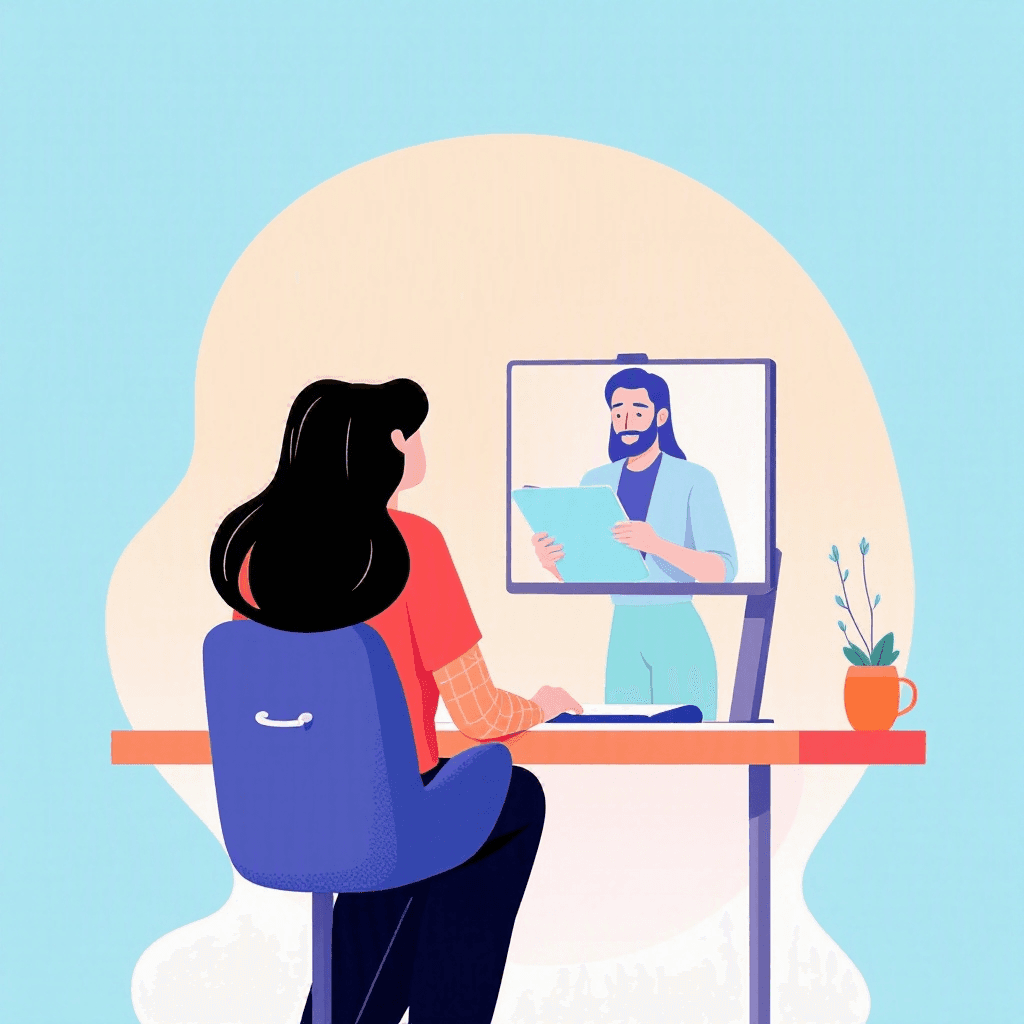
Imagine this: five minutes into a scheduled video interview, your internet lags, your screen freezes, and you miss answering the hiring manager’s key question. Or you completely blank on your proudest project. According to recent surveys, 70% of candidates say technology or nerves affected at least one remote interview — and many worry a single bad session will cost them the job. The truth? A bad video interview is a setback, not a dead end. In this article you’ll learn a proven, step-by-step roadmap to recover: how to perform a quick post-interview audit, craft an effective follow-up message, repair your narrative, prepare for a redo or the next round, and strengthen your candidacy with resume and portfolio improvements. Read on to discover actionable scripts, real-world examples, and strategic tools (including how Resumize.ai can help you polish your profile) so you can transform one poor interview into an opportunity to impress.
Three things every remote interview tests before the questions start.
Tick anything you have not sorted out yet.
Ticked nothing? You are prepared. The checklist is still worth having open during the call.
Free to browse · No account needed
Assess What Happened: Quick Post-Interview Audit
Start by diagnosing exactly what went wrong within 24 hours. A clear audit prevents rumination and gives you targeted fixes.
Use a three-part checklist
- 1Technical issues: Did audio, video, or connectivity fail? Note timestamps and the platform used (Zoom, Teams, etc.).
- 2Content gaps: Which questions tripped you up? Did you stumble on examples, metrics, or STAR structure?
- 3Behavioral/soft skills: Were you visibly nervous, too terse, or overly long-winded?
Rate severity and impact
- Minor (10% impact): Small stumbles, no repeat mistakes, still answered core questions.
- Moderate (30–50%): Missed key examples, tech hiccups requiring clarification, or a visible breakdown in composure.
- Severe (70%+): Complete disconnect, missed entire answers, or abrupt disconnection with no recovery.
Example: Maria, a product manager, froze when asked about roadmap prioritization. She realized it was a content gap (moderate). Her next steps focused on preparing concise case examples and a follow-up email that clarified the answer.
Actionable tasks (do within 24 hours):
- Write a two-paragraph summary of what happened and why.
- Identify one fix for each item on your checklist.
- Decide whether to follow up immediately (next section covers how).
Decide Whether and How to Follow Up: Timing and Tone
Knowing when to follow up and what to say is essential. The wrong tone can sound defensive; the right one can reshape the interviewer’s memory.
When to send a follow-up
- Send immediately (within 24 hours) if a technical issue interrupted your answers, if you forgot critical details, or if you can add value (e.g., a clearer case study, portfolio link).
- Wait 48–72 hours for moderate stumbles if you need to craft a thoughtful clarification or attach supporting documents.
- Skip a follow-up only if the interview was excellent or the hiring manager explicitly said no further contact.
Tone and structure (3-paragraph template)
- 1Brief appreciation: Thank them for their time and mention the role by name.
- 2Concise clarification: One focused paragraph that fixes the specific issue (technical or content) — keep it under 100 words.
- 3Value-add & next step: Share a link to supporting work or propose a 10–15 minute follow-up to clarify.
Example script:
"Thank you for speaking with me about the Product Manager role today. I realized my answer about roadmap prioritization was unclear due to a connection glitch. Briefly: I prioritize by impact/effort (RICE), stakeholder alignment, and measurable OKRs; in Q4, this process increased feature adoption by 22%. I’ve attached a two-slide example and would welcome 10 minutes to clarify if helpful."
Actionable steps:
- Draft and send within 24–72 hours depending on severity.
- Keep it short, factual, and solution-focused.
- Attach one concrete artifact (slide, code snippet, case summary).
Interviews start with an application
New remote roles land on the board daily. Browsing takes no account, and the weekly email keeps the next one coming.
New remote roles, in your inbox every Monday
- Roles from named companies, with their source
- New postings only, never a repeat
- One click to stop
Alerts ship shortly. Sign up now and you are on the first send.
Repair Your Interview Narrative: Reframe and Reinforce
Once you’ve followed up, control the narrative in future interactions. Interviewers remember stories; give them the right one.
Reframe without excuses
Avoid blaming tech or nerves for everything. Instead, acknowledge briefly then pivot to a strong, structured answer.
Use before/after mini-case studies
- Before: "During the interview I stumbled on my leadership example."
- After: "To clarify, I led a cross-functional team of 8 to redesign onboarding, increasing activation by 18% in three months. I used weekly checkpoints and a data dashboard to course-correct."
Practice a 60-second recovery pitch
Prepare a concise recovery pitch you can use if asked to revisit a topic:
- Situation (10s): Brief context
- Action (30s): What you did, tools/process
- Result (20s): Specific metric or outcome
Real-world scenario: Jordan had a panicked 1-on-1 and later sent a follow-up that reframed his confused answer into a concise case study, adding a link to his portfolio. He was invited back for the next round because the hiring manager appreciated the clarity and initiative.
Actionable moves:
- Write three 60-second recovery pitches for likely weak spots.
- Rehearse them aloud twice a day until they feel natural.
- Add these pitches to your interview notes for quick reference.
Prepare for Round Two (or the Next Interview): Tactical Improvements
Turn the experience into measurable improvement. Use a mix of technical fixes, content preparation, and rehearsal rituals.
Technical checklist (do before any video call)
- Internet: Use wired Ethernet when possible; run a speed test (aim for 10+ Mbps up/down).
- Hardware: Test camera angles, lighting (face light), and external mic/headset.
- Platform: Log in 10 minutes early, update apps, close background tabs.
Content preparation
- Build a mini-case binder: three STAR stories with metrics for leadership, conflict, and impact.
- Prepare 2–3 visuals: a one-page portfolio, a slide, or a GitHub repo link you can share instantly.
Rehearsal drills
- Simulate stress: Do a 20-minute mock interview with a friend or coach. Record it.
- Recovery practice: Run through your 60-second recovery pitches under timed conditions.
Example: Priya used a 30-minute mock with a recruiter who played the role of a tough interviewer. After three mocks, she went from freezing halfway to delivering crisp, metric-driven answers.
Actionable checklist:
- 1Run technology test 30 minutes before the call.
- 2Open your mini-case binder and one visual to share.
- 3Do a one-minute breathing exercise before joining to center yourself.
Leverage Your Resume and Portfolio to Reinforce Credibility
A bad interview can leave doubts. Your resume and portfolio are evidence that correct the record and support your follow-up claims.
Rapid resume fixes (48–72 hours)
- Add a one-line accomplishment that supports the weak area discussed in the interview. Use numbers: “Increased retention by 15% in 6 months.”
- Highlight tools/processes mentioned in the interview (e.g., RICE, SQL, A/B testing).
Portfolio or artifact creation
- Create a single-page case study: problem, role, approach, outcome. Use screenshots or linked repo.
- If coding or design, include a short 2–3 minute walkthrough video hosted on Vimeo or Loom.
How Resumize.ai helps
Resumize.ai can quickly help you reword resume achievements, generate a focused one-page case study, and tailor your resume bullets for the role you interviewed for. Use it to craft crisp, quantified statements that reinforce the exact claims you make in follow-ups. This saves time and makes your follow-up materials look polished and professional.
Actionable steps:
- Use Resumize.ai to rewrite 3 bullets with metrics.
- Draft a one-page case study and link it in your follow-up.
- Attach the artifact in LinkedIn messages or follow-up emails.
Put this advice to work on your resume
Check your resume for clarity, structure, and measurable achievements. See your results before deciding whether to create an account.
Check my resume free — no signupTurn a Bad Interview into Long-Term Career Momentum
A single stumble can become a career accelerator if you treat it as a learning experiment. Track progress and iterate.
Create a 30-day improvement plan
- Week 1: Audit + follow-up + resume tweaks.
- Week 2: Three mock interviews, finish two recovery pitches.
- Week 3: Publish one portfolio case study and solicit feedback.
- Week 4: Apply to 6 roles with tailored resumes and track responses.
Metrics to track
- Interview-to-offer rate before and after improvements.
- Number of callbacks, requests for follow-up, or recruiter replies per application.
- Self-rated confidence on a 1–10 scale after each mock.
Real-world turnaround
Case study: Leo went from zero callbacks after three interviews to two on-site invites after using the 30-day plan. He improved his interview-to-offer conversion from 0% to 25% in six weeks by clarifying his portfolio and rehearsing recovery pitches.
Keep building your brand
- Publish short insights on LinkedIn about lessons learned (without naming companies).
- Network with interviewers for feedback. Many hiring managers will give brief pointers if you ask politely.
Actionable moves:
- Build the 30-day plan in a calendar and block time.
- Check weekly metrics and adjust.
- Use Resumize.ai to keep your resume tailored as you apply to new roles.
Mental Resilience: Managing Anxiety and Reframing Failure
Emotional recovery is as important as tactical fixes. Handling the stress properly ensures you perform better next time.
Immediate coping techniques
- Name it to tame it: Write three specifics about the interview that bothered you, then list three facts that are objectively true (e.g., you have X years of experience).
- 4-4-8 breathing: Inhale 4s, hold 4s, exhale 8s for 2 minutes before any next call.
Reframe failure as feedback
- What if the bad interview saved you time by revealing an unfit role early? That’s useful information.
- Turn one failure into three improvements you can implement immediately.
Build confidence rituals
- Two-minute prep ritual: posture check, quick mirror pep talk, glance at your 60-second stories.
- Keep a "wins" file: Add one item daily to remind yourself of past successes.
Example: After a disastrous interview, Emma scheduled three short mock interviews and added one bullet to her resume using Resumize.ai. The combination of tactical and emotional work doubled her confidence in two weeks.
Actionable steps:
- Use the 4-4-8 breathing before your next call.
- Create a wins file and add three items today.
- Reframe one negative into an actionable learning and implement it this week.
Key Takeaways
- 1Do a 24-hour post-interview audit to identify technical, content, and behavioral issues.
- 2Send a short, solution-focused follow-up within 24–72 hours to clarify answers or fix tech interruptions.
- 3Prepare three 60-second recovery pitches and rehearse them to quickly reframe weak moments.
- 4Fix the record by updating your resume and adding a one-page case study; use Resumize.ai to create polished, quantified bullets fast.
- 5Run technical checks, mock interviews, and timed rehearsals to prevent repeat mistakes.
- 6Turn the setback into momentum with a 30-day improvement plan and track interview-to-offer metrics.
- 7Manage anxiety with quick breathing exercises, a wins file, and intentional reframing to maintain confidence.
Conclusion
A bad video interview is painful, but it’s also a high-value feedback signal you can use to improve fast. By auditing what went wrong, sending a concise follow-up, repairing your narrative, polishing your resume and portfolio, and practicing targeted rehearsals, you can turn one stumble into a stronger candidacy. For rapid resume and case-study updates that reinforce your follow-up messages, try Resumize.ai — it helps you craft quantified bullets and polished artifacts in minutes so hiring managers see the results you describe. Don’t wait: perform the 24-hour audit, send your follow-up, and use Resumize.ai to update one resume bullet today.
Frequently Asked Questions
Related Articles

The Ultimate Guide to Acing a Remote Technical Interview
Facing a remote technical interview can feel like juggling code, cameras, and nerves all at once. If you worry about technical glitches, problem-solving under pressure, or communicating clearly on video, this guide is for you. You'll get a step-by-step preparation plan, remote-specific tips, three real-world case studies, and tactical checklists to reduce mistakes and boost confidence. Follow proven strategies to master coding challenges, system design, and behavioral rounds—so you show up calm, clear, and compelling.

The Ultimate Signs Your Remote Interview Went Well (Proven Tips)
Worried you said the right things but don’t know if the interviewer felt the same? You’re not alone. Remote interviews make it harder to read signals, leaving job seekers anxious after every call. This guide reveals the proven signs your remote interview went well—what to look for, concrete examples, and exact next steps. You’ll learn how to interpret verbal cues, post-interview behavior, and follow-up strategies that improve your odds. Plus, discover how tools like Resumize.ai can sharpen your resume and follow-up messages so you convert strong interviews into offers.
The Ultimate Microphone & Camera Setup Guide for Interviews
Nervous about how you’ll look and sound in your next interview? A shaky camera and muffled audio can undo a perfect answer. This essential guide shows step-by-step how to set up your microphone and camera, with real-world examples, quick fixes, and equipment recommendations so you can present confidently. Learn how to choose the right gear, position your camera, optimize lighting, reduce background noise, and test like a pro—so you’re ready for any remote interview or video call.
Ready to Build Your Perfect Resume?
Put these insights into action with our AI-powered resume builder
Build my resume freeFree to start · No card · 5 credits the moment you sign up